Welcome to the automated Brand Tracker diaries.
AMA Group Agencies Among the First Signatories of the European Code of Transparency for AI Content

Goal: To establish guidelines for labeling AI-generated content
Claim: Commitment to transparency principles in using generative AI
Summary: AMA Group agencies signed the European Code of Transparency for AI Content, becoming the first in their markets to join this initiative. The code aims to provide clear labeling for materials generated or significantly modified by AI technology. This move underscores their commitment to professional integrity and quality of service while shaping the future of the industry.
Claude is leaving its invisible mark, and the internet has questions

Goal: To introduce a method of watermarking AI-generated text for compliance with EU regulations.
Claim: Invisible identification of AI content involvement.
Media: TikTok, YouTube, Instagram
Summary: Anthropic is set to implement an invisible watermark to identify AI-generated content in response to EU regulatory requirements. The watermarking technology aims to create detectable patterns through word choices in generated text without altering responses. This move has generated significant public discourse around the robustness of the watermark amidst edits and reuse of AI-generated content, with a mixed sentiment observed in public reaction.
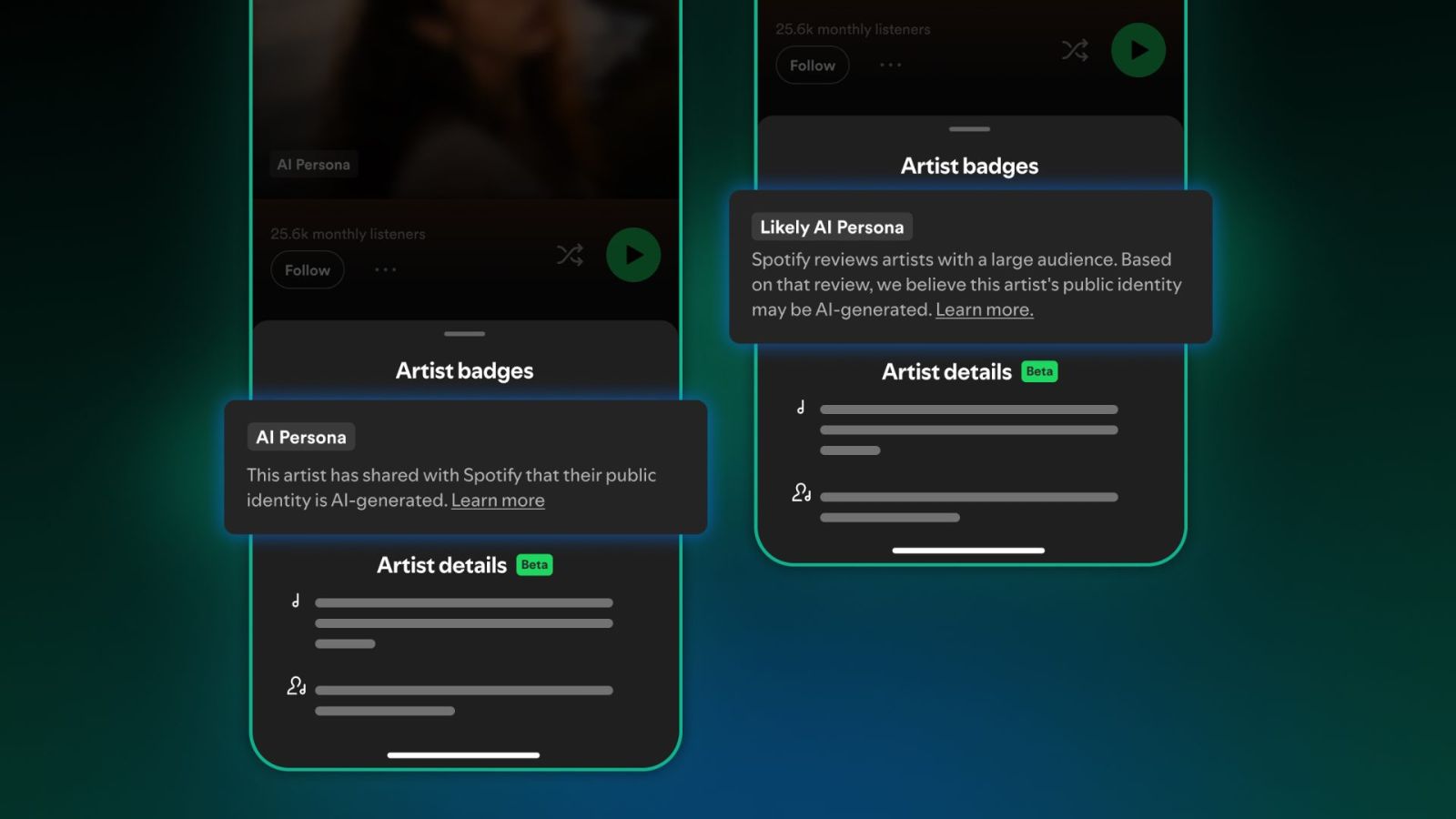
Spotify wants you to know if your favourite artist isn’t real


Source: https://www.marketing-interactive.com/spotify-wants-you-to-know-if-your-favourite-artist-isn-t-real
Goal: To provide transparency regarding AI-generated artists on the platform.
Claim: Identifying AI-generated artist personas for greater listener transparency.
Media: Artist profile banners, about sections, search listings, track listings in playlists
Summary: Spotify is introducing an AI Persona badge to differentiate between human artists and AI-generated identities, enhancing transparency for listeners. The badge will inform users if an artist profile is AI-generated and will exclude such profiles from personalized recommendations unless actively engaged with. The initiative aims to address listener frustrations about misleading artist identities and is part of Spotify's broader push for trust and clarity around artist identity by 2026.